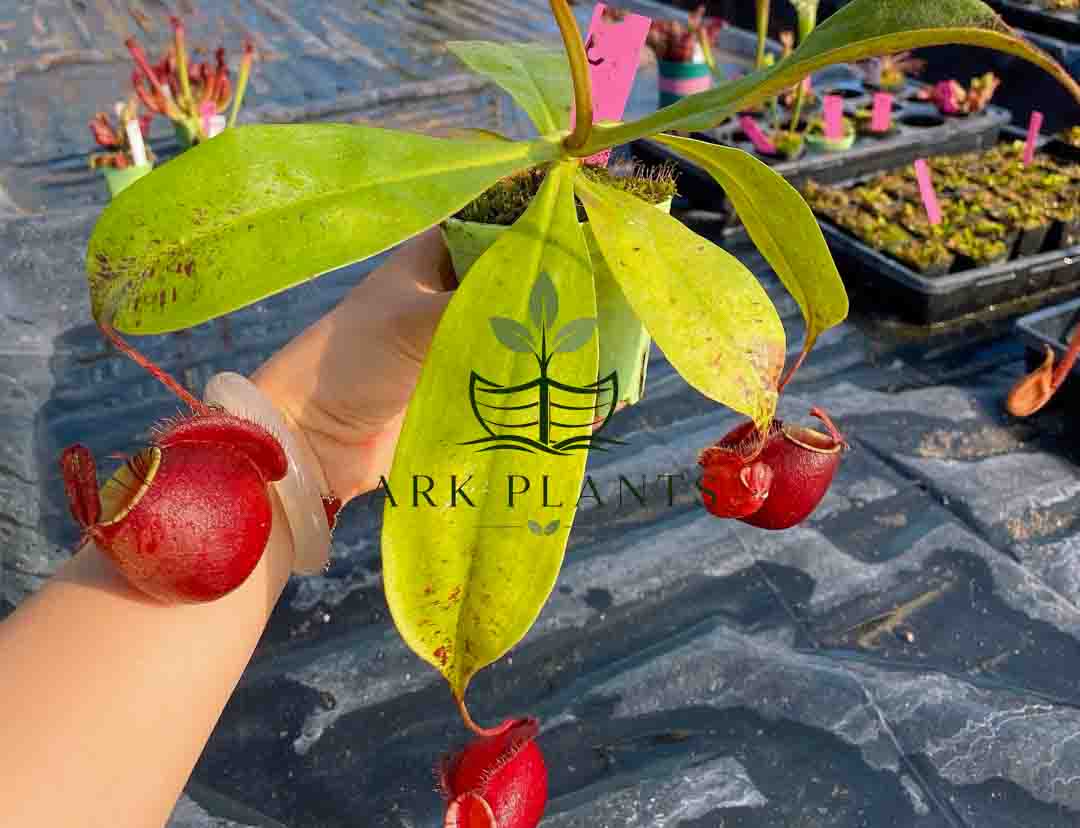
Ark Nepenthes Series
Nepenthes Tissue Culture Plantlet Series
Uniform young plants for nurseries seeking stable batches, clean propagation material and flexible cultivar quantities.

Tissue Culture & Live Plant Wholesale
ARK Plants supplies tissue culture plants to plant importers and distributors, nurseries, and commercial growers in Europe, North America, and the Middle East. We can assist buyers in compliant import of live plants by providing relevant documentation and customs clearance information based on plant varieties and destination country requirements. We have over 1500 plant varieties, including rare and popular species.
wholesale plant supplier
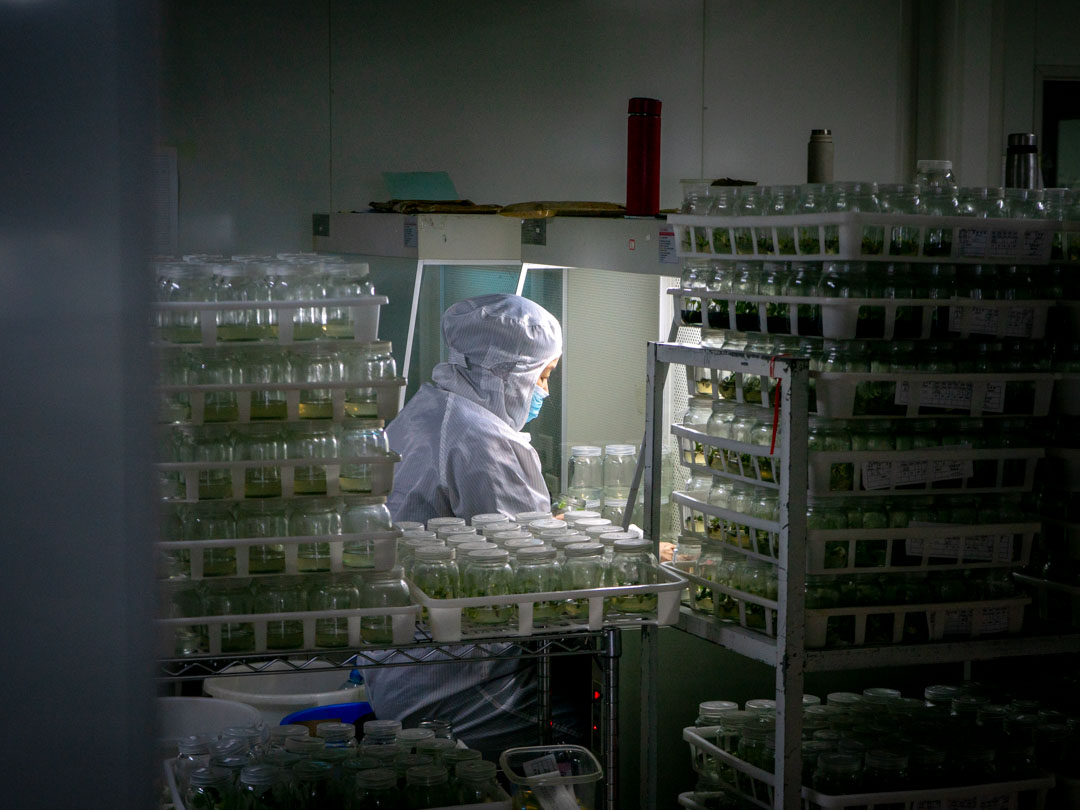
Tissue culture plants are propagated in a sterile environment with precise temperature control, which helps reduce the impact of pests, diseases, and external contamination. Explants obtained from screened mother plants can proliferate rapidly under controlled conditions, minimizing the impact of seasonal variations on propagation. Particularly for rare plants, strict culture procedures and the screening out of plants with abnormal traits can improve the consistency of cloned plantlets. Consequently, tissue-cultured plants are popular among plant importers, wholesalers, nurseries, and gardening retailers.
Ark Nepenthes Series
Uniform young plants for nurseries seeking stable batches, clean propagation material and flexible cultivar quantities.
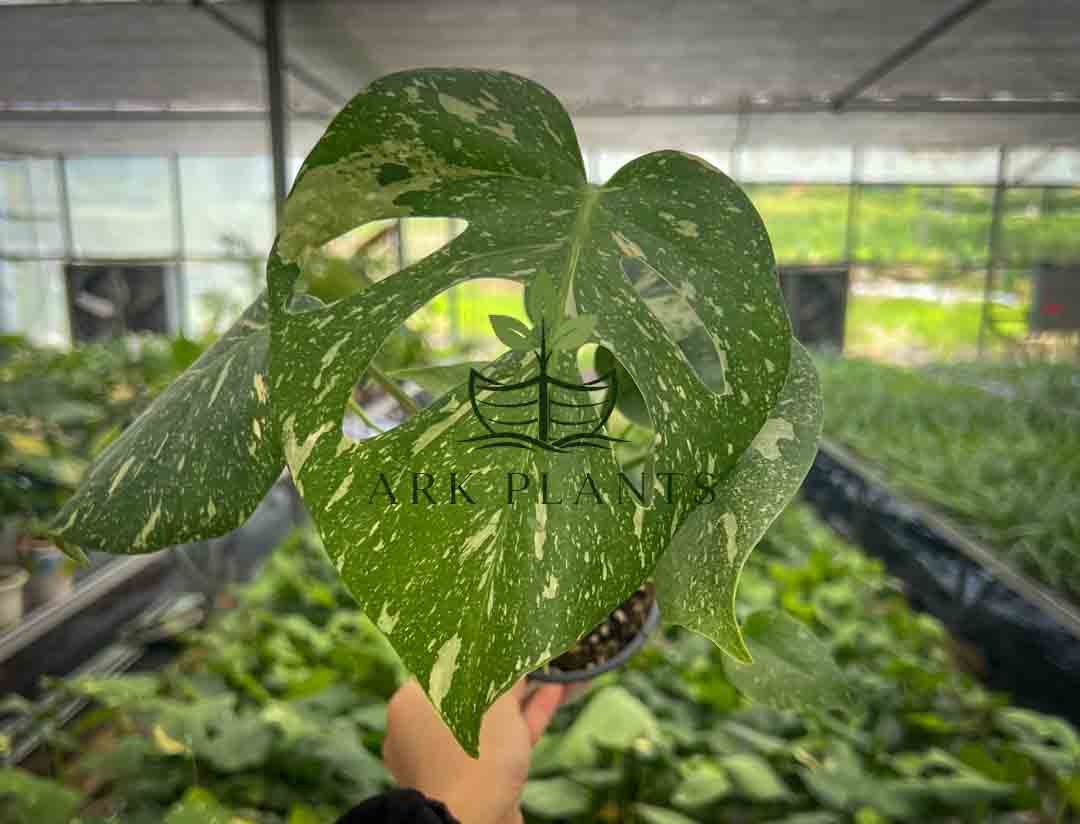
ARK Monstera Series
Rooted young plants selected for professional growers, greenhouse projects and specialist tropical plant retailers.
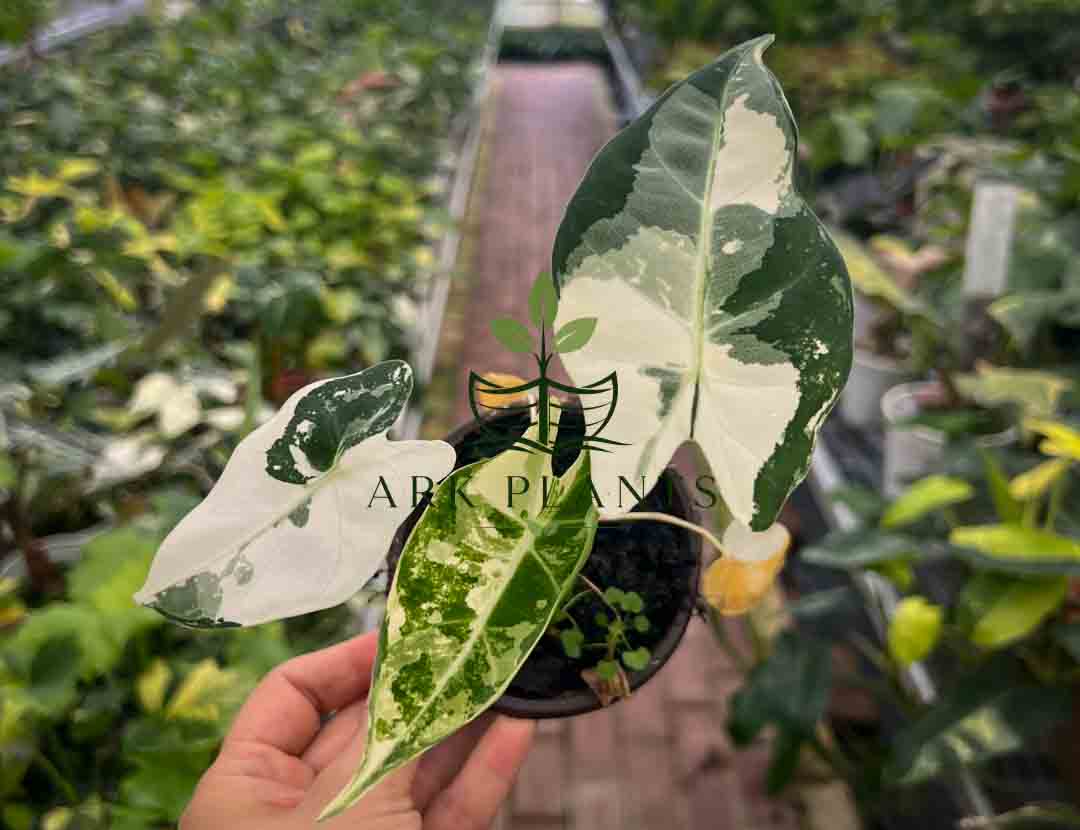
ARK Alocasia Series
Uniform young plants for nurseries seeking stable batches, clean propagation material and flexible cultivar quantities.
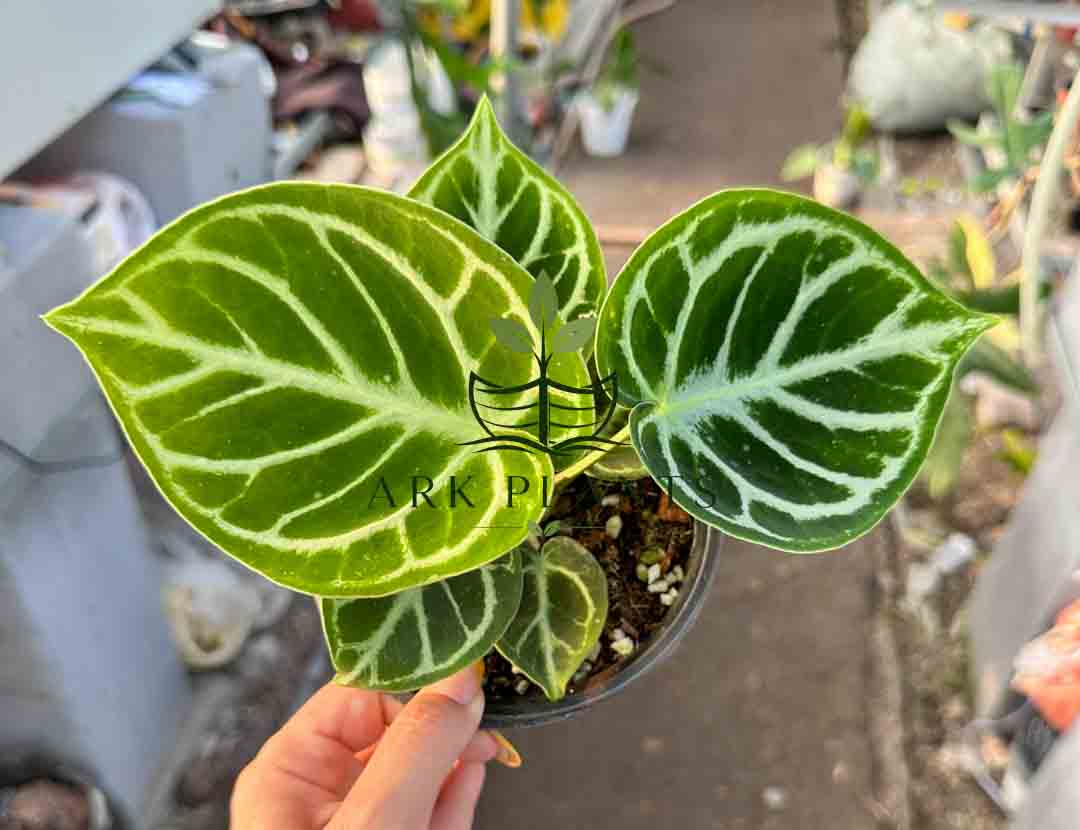
ARK Anthurium Series
Uniform young plants for nurseries seeking stable batches, clean propagation material and flexible cultivar quantities.

ARK Philodendron Series
Uniform young plants for nurseries seeking stable batches, clean propagation material and flexible cultivar quantities.
ARK Aglaonema Series
Uniform young plants for nurseries seeking stable batches, clean propagation material and flexible cultivar quantities.
ARK Syngonium Series
Uniform young plants for nurseries seeking stable batches, clean propagation material and flexible cultivar quantities.
ARK Begonia Series
Uniform young plants for nurseries seeking stable batches, clean propagation material and flexible cultivar quantities.
ARK Agave Series
Uniform young plants for nurseries seeking stable batches, clean propagation material and flexible cultivar quantities.
ARK Dendrobium Series
Uniform young plants for nurseries seeking stable batches, clean propagation material and flexible cultivar quantities.
ARK Calathea Series
Uniform young plants for nurseries seeking stable batches, clean propagation material and flexible cultivar quantities.
ARK Phalaenopsis Series
Uniform young plants for nurseries seeking stable batches, clean propagation material and flexible cultivar quantities.
ARK Hoya Series
Uniform young plants for nurseries seeking stable batches, clean propagation material and flexible cultivar quantities.
ARK Pinguicula Series
Uniform young plants for nurseries seeking stable batches, clean propagation material and flexible cultivar quantities.
ARK Caladium Series
Uniform young plants for nurseries seeking stable batches, clean propagation material and flexible cultivar quantities.
ARK Plants Supplier
Experience in exporting live plants
Stable production across multiple sites
Continuous R&D of new varieties each year
Continuous monitoring of each batch during the tissue culture stage
Supports long-term, stable supply of multiple varieties
Capable of fulfilling large-volume orders.
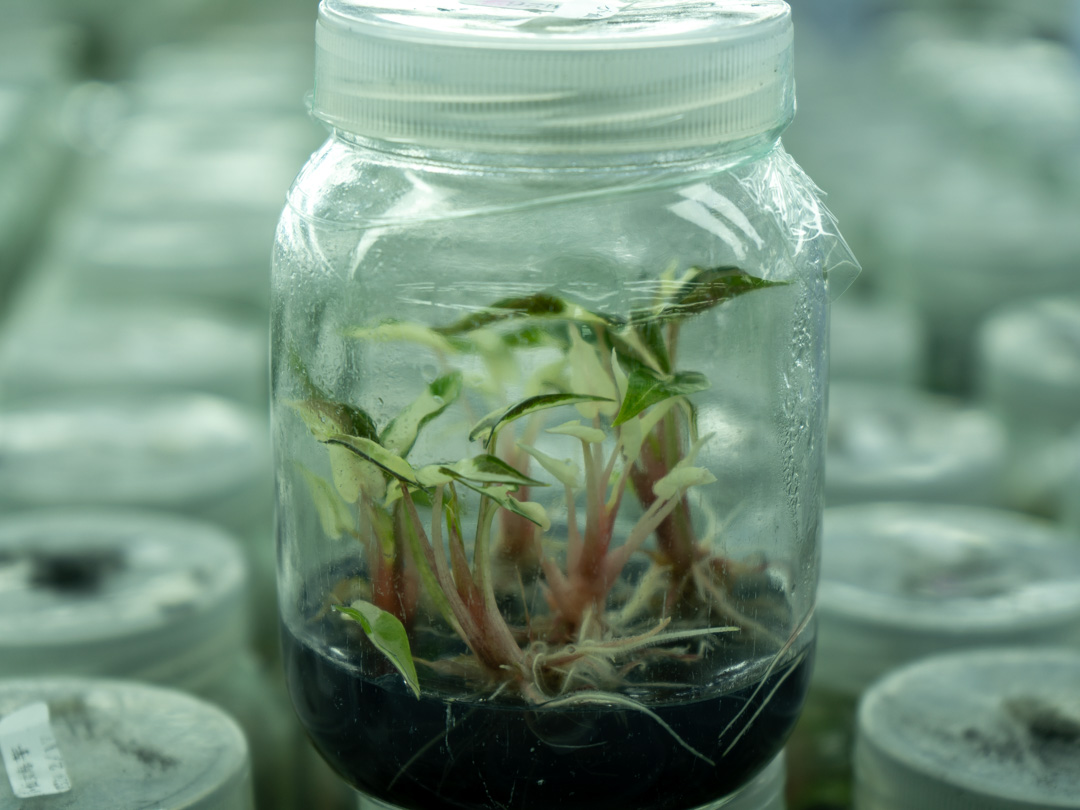
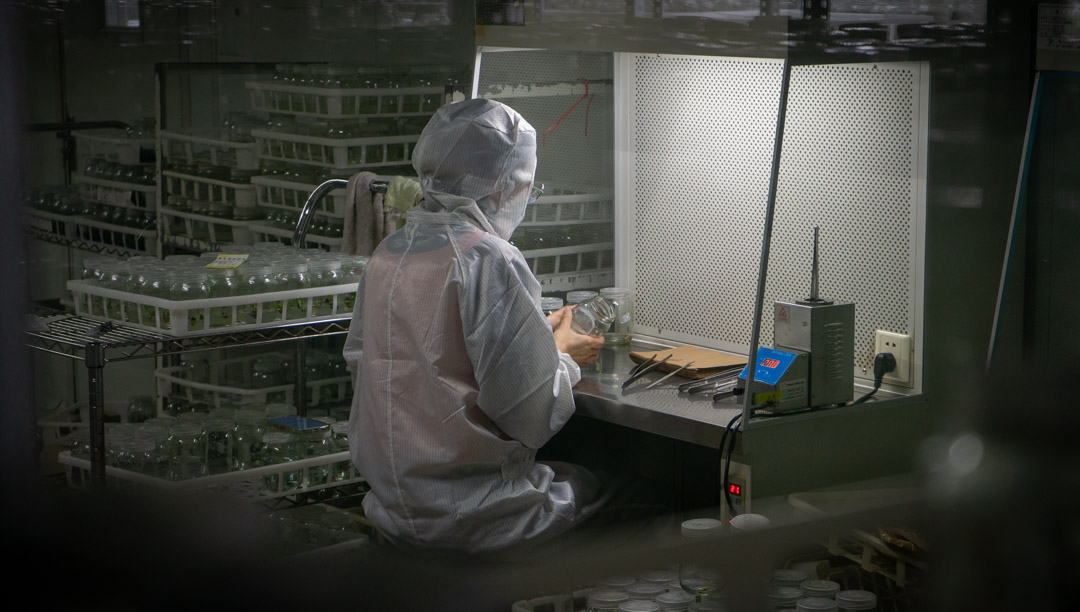
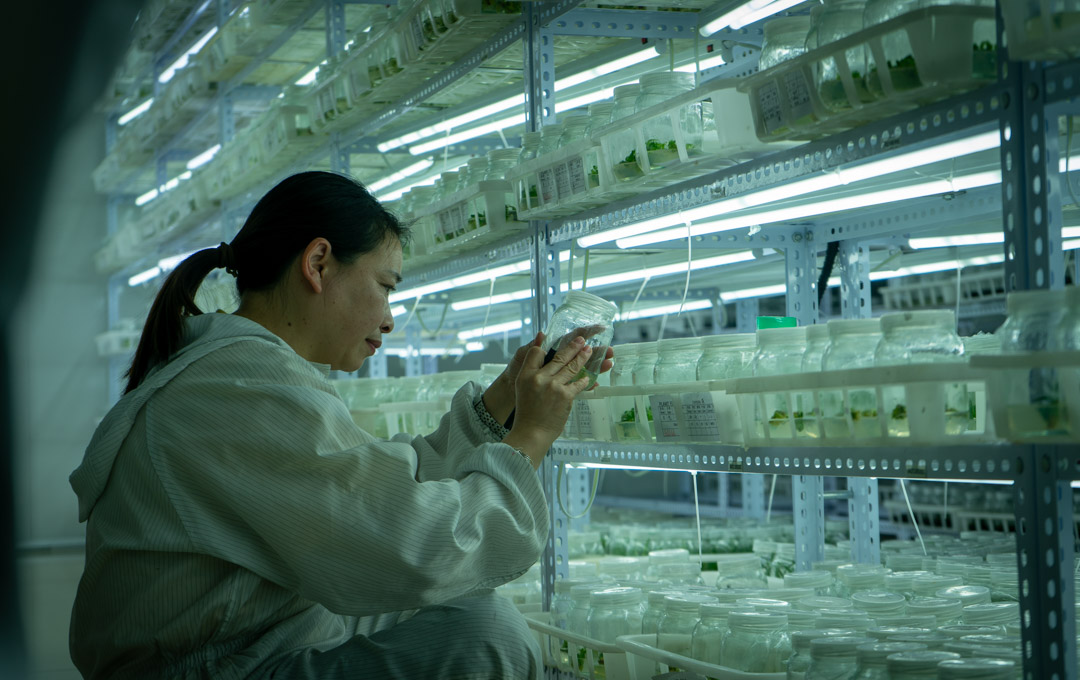
Tissue Culture Laboratory
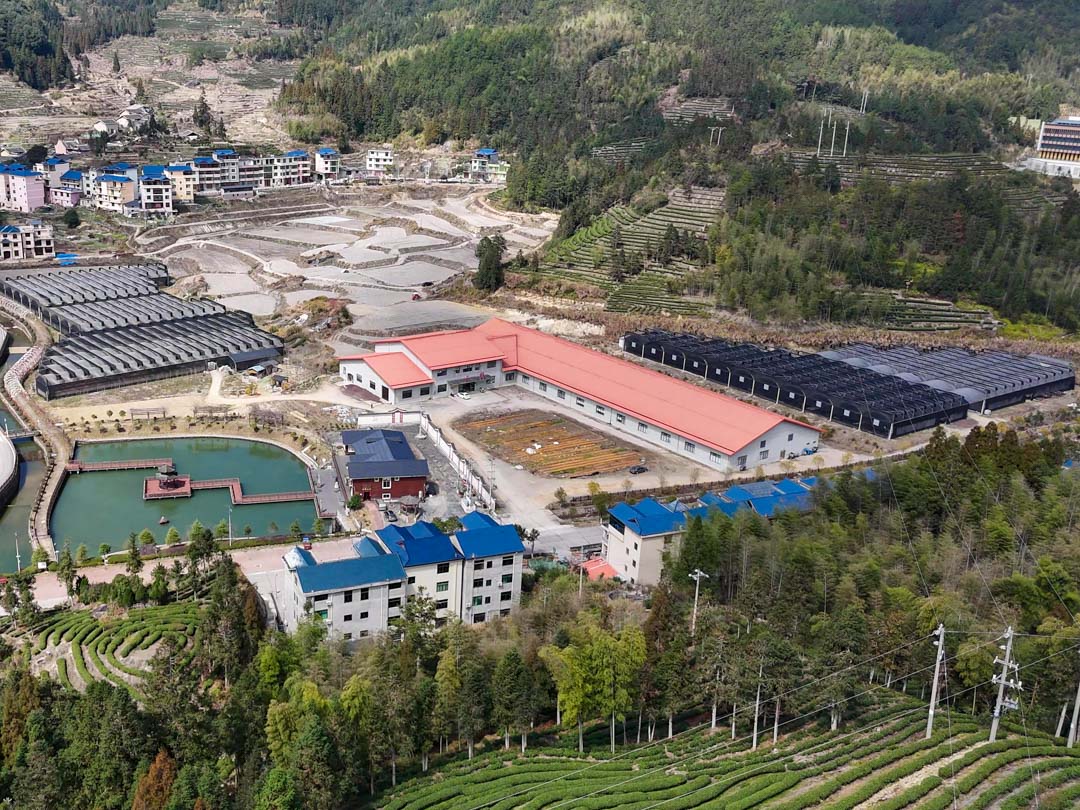
ARK Plants is a plant supplier based in China with its own tissue culture facilities and nursery greenhouses. We have extensive experience in exporting live plants. Our core products include tropical foliage plants, flowering plants, ferns, and carnivorous plants—available as tissue culture plants—as well as finished succulents, agaves, and a wide range of rare plant varieties. We offer low minimum order quantities for trial orders. Today, ARK Plants serves thousands of customers worldwide.
Facility Gallery
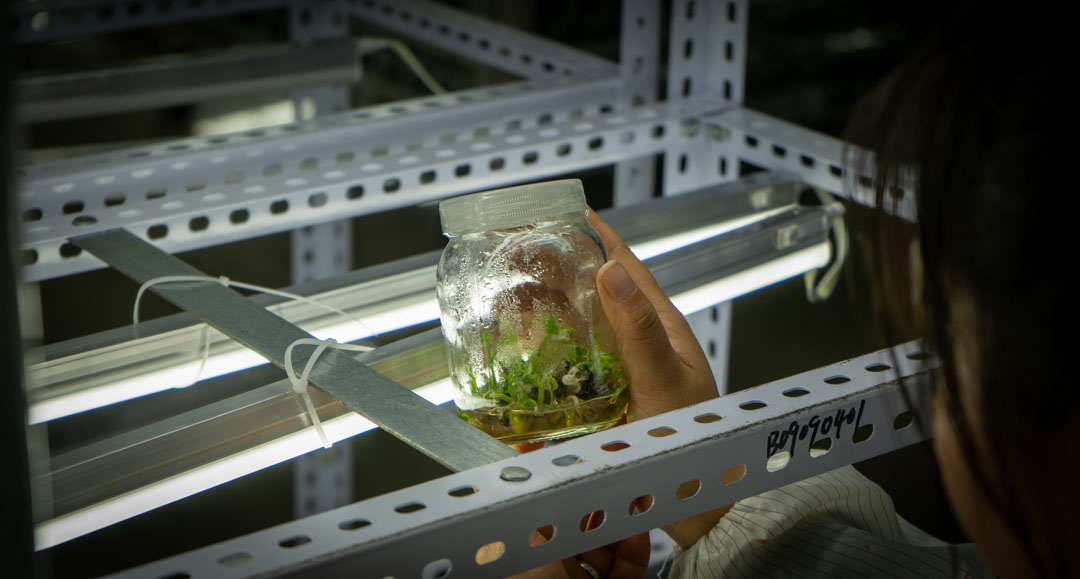
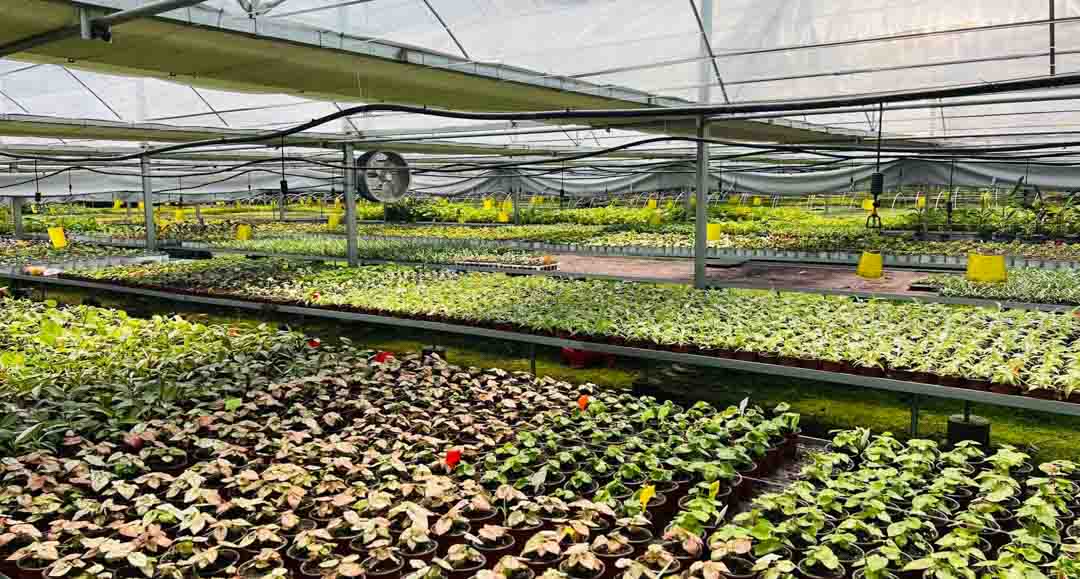
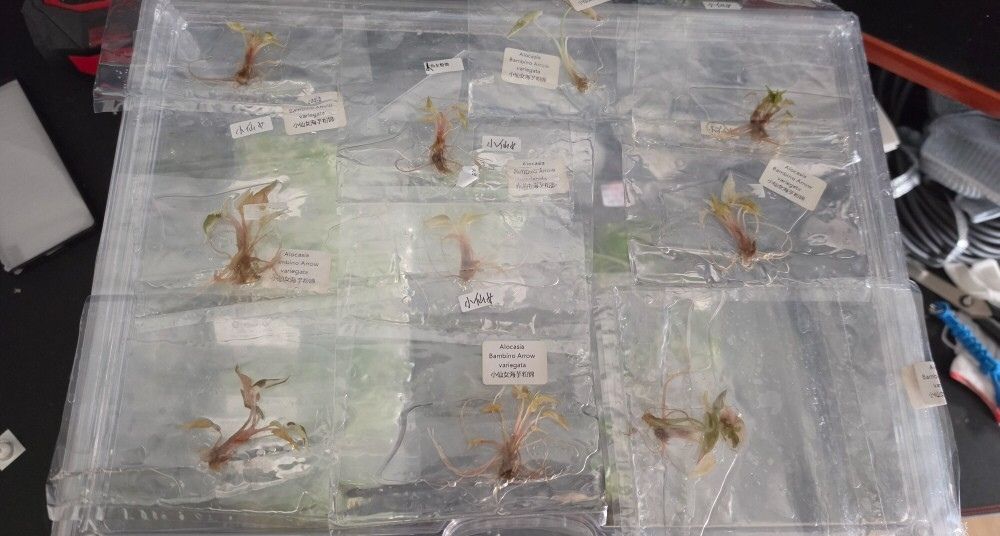
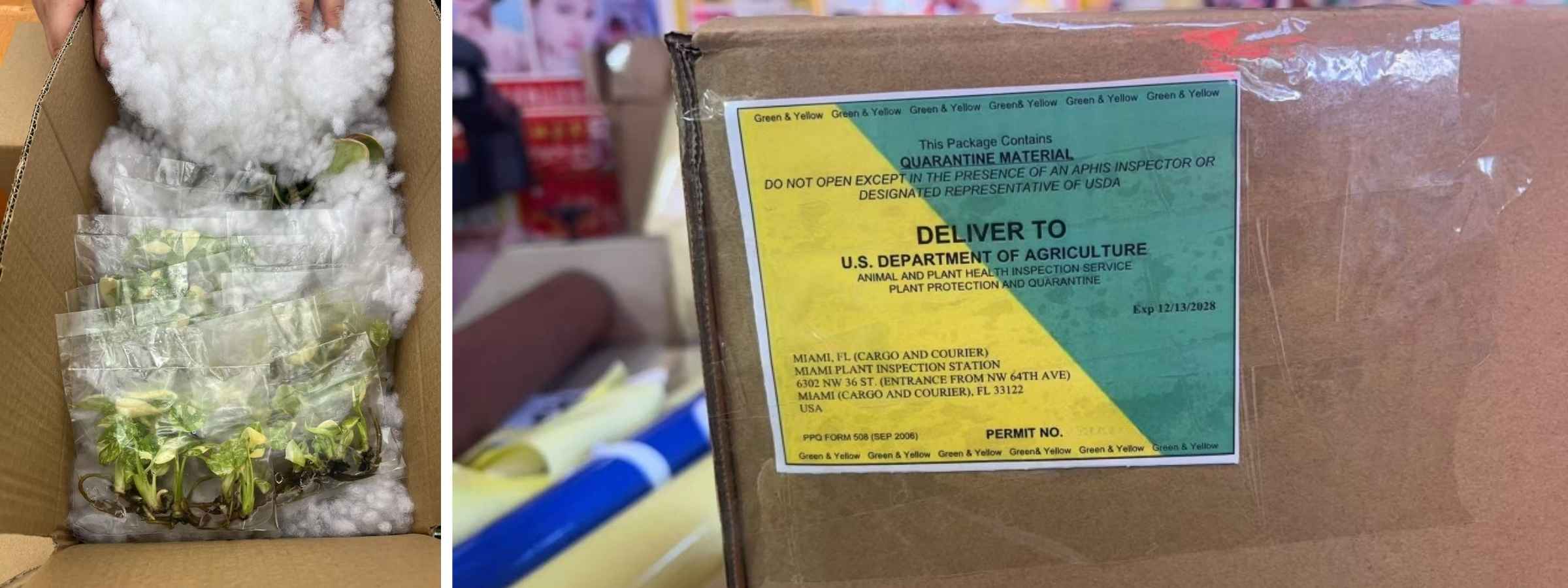
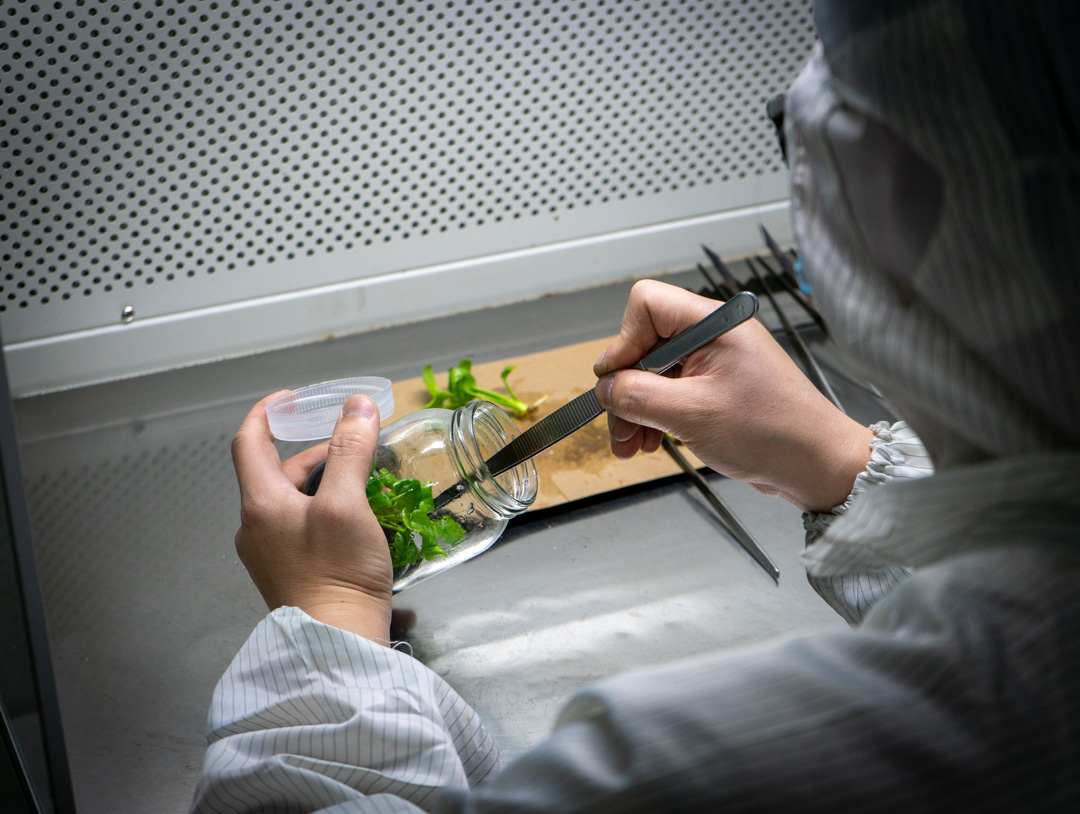
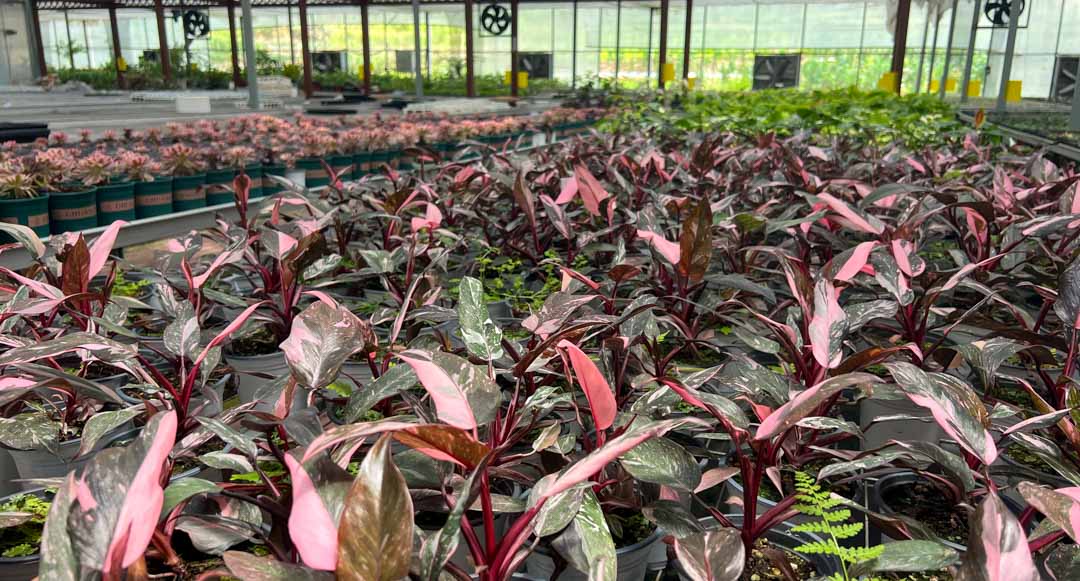
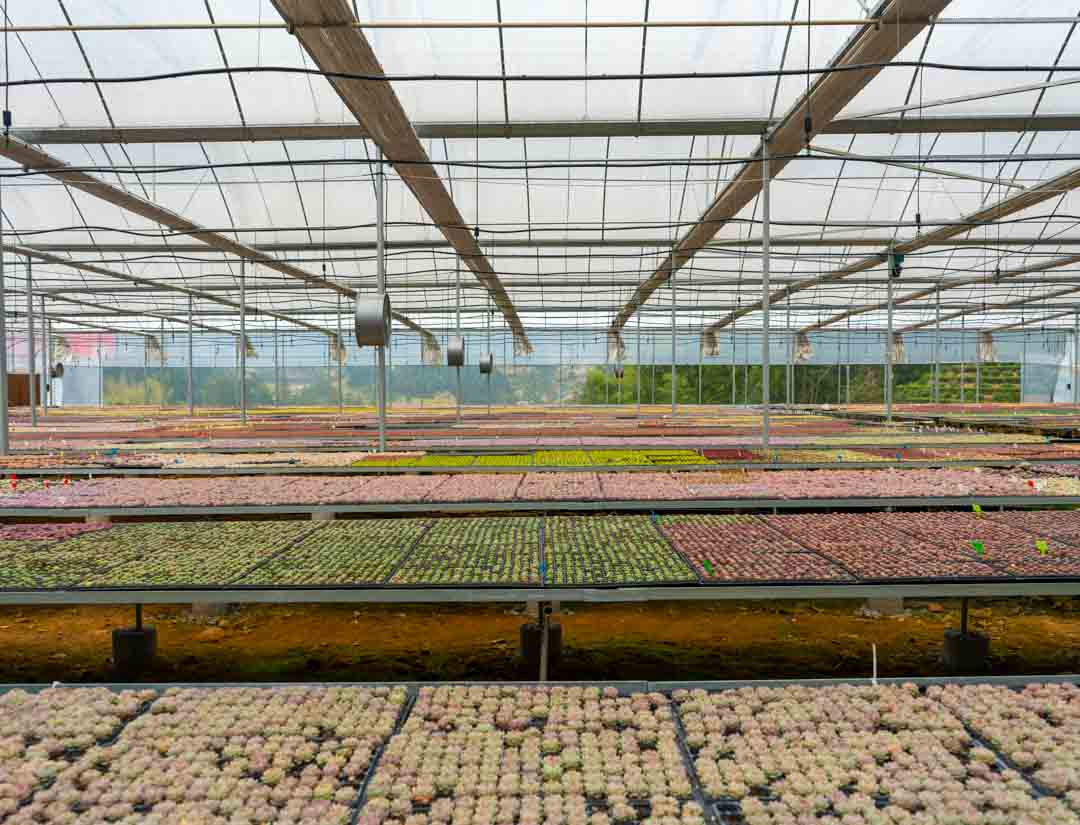
hese photos give customers a glimpse into daily life at the ARK Plants facility, showcasing the tissue culture laboratory and greenhouse growing areas. They also highlight the process of packaging the tissue culture plants and preparing them for shipment around the world.
ARK Plants standard
Build a trial order or a broader seasonal program from propagation material, rooted young plants and specialist varieties.
Tissue Culture
Our core objective is not to blindly increase the propagation rate, as speed alone cannot support long-term production. The process begins with selecting plants with stable traits. After pretreatment, the explants are cleaned, disinfected, and aseptically inoculated to establish an aseptic culture system.
The growth condition of the plants is then observed. Plantlets in different conditions are isolated in batches, followed by screening for sources of contamination. Only healthy, stable, and predictable tissue culture stock is retained. Large-scale propagation begins only after this stage.
This controlled process is intended to ensure that you receive highly consistent tissue culture plants.
Tropical Plants
After tissue-cultured plantlets have developed roots, they need to be removed from the culture vessels and acclimatized before being transferred to a standard greenhouse for further cultivation. During acclimatization, they need to adapt gradually to the new environment until new leaves form and stable growth begins.
The culture medium must first be washed from the roots of the plantlets. A suitable substrate is then prepared in the pots. The substrate needs to be loose, well aerated, and able to retain moisture. The young plantlets are transferred to a controlled acclimatization area with high humidity and low light to help them acclimatize.
After acclimatization, the plantlets are transferred to a standard greenhouse for further cultivation. They are then sorted according to variety, growth condition, and size, and continue to be cultivated until they reach your required specifications.
Rare Plants
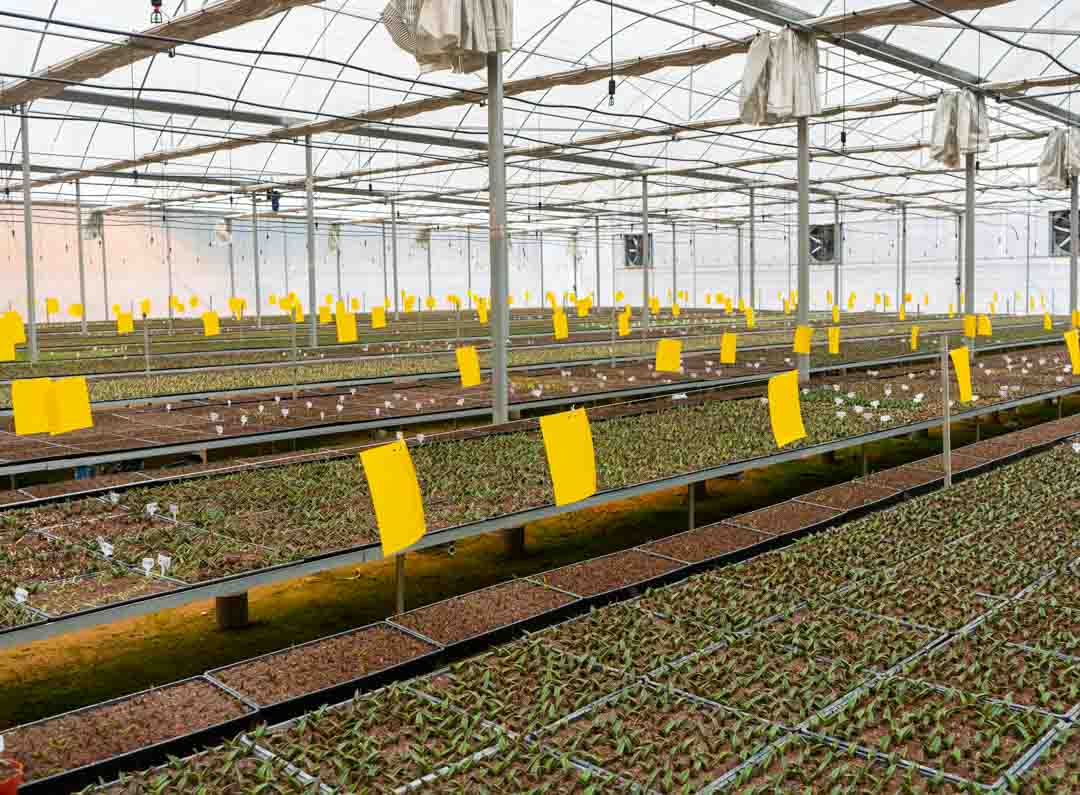
Succulents of various sizes are grown here, categorized by their growth stage. Varieties include Sedum, cacti, Haworthia, Lithops, and Agave. You can mix and match quantities and varieties to suit your specific needs.
Tissue Culture
To meet the growing market demand for agave, a dedicated greenhouse has been established. Both finished agave plants and tissue-cultured plantlets are available. Agave is very popular in countries such as Japan and South Korea.
Product Options
Explore popular varieties that are regularly reordered by nurseries and wholesale buyers. Trial orders are accepted for first-time cooperation.
Tissue Culture
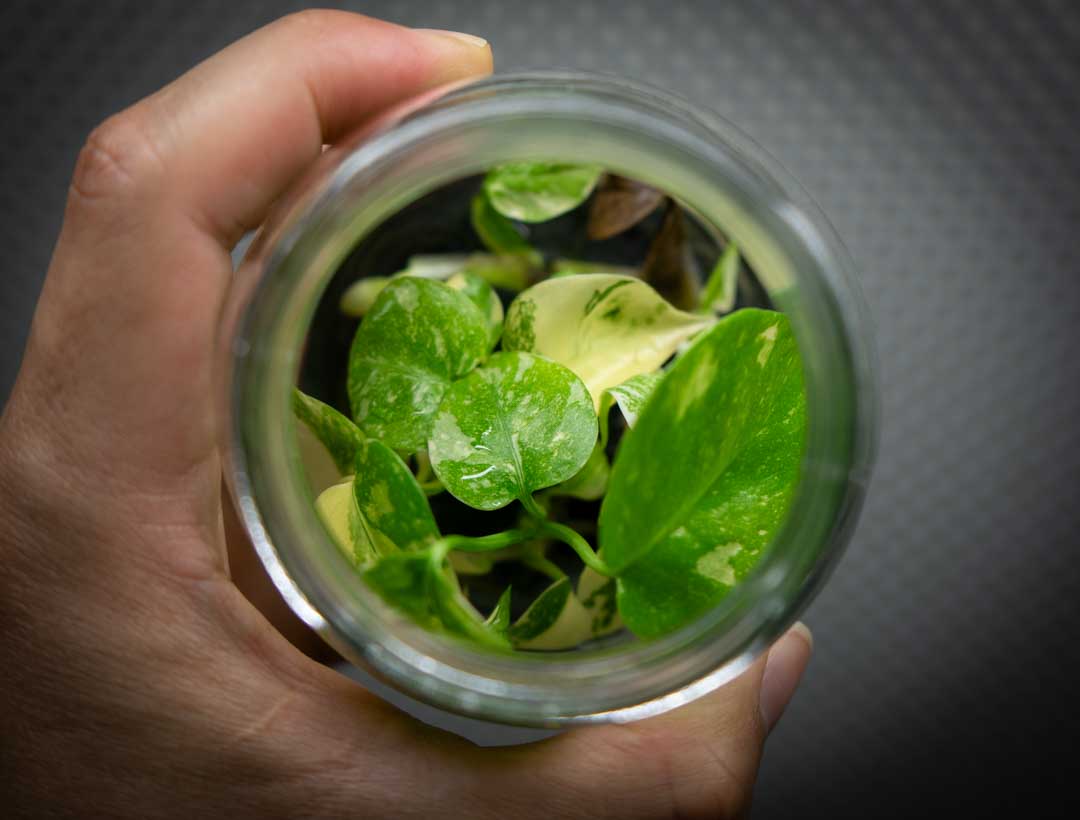
In the plantlet state, golden spots are already faintly visible, and when mature, the leaves will gradually develop fenestrations.
Tropical Plants
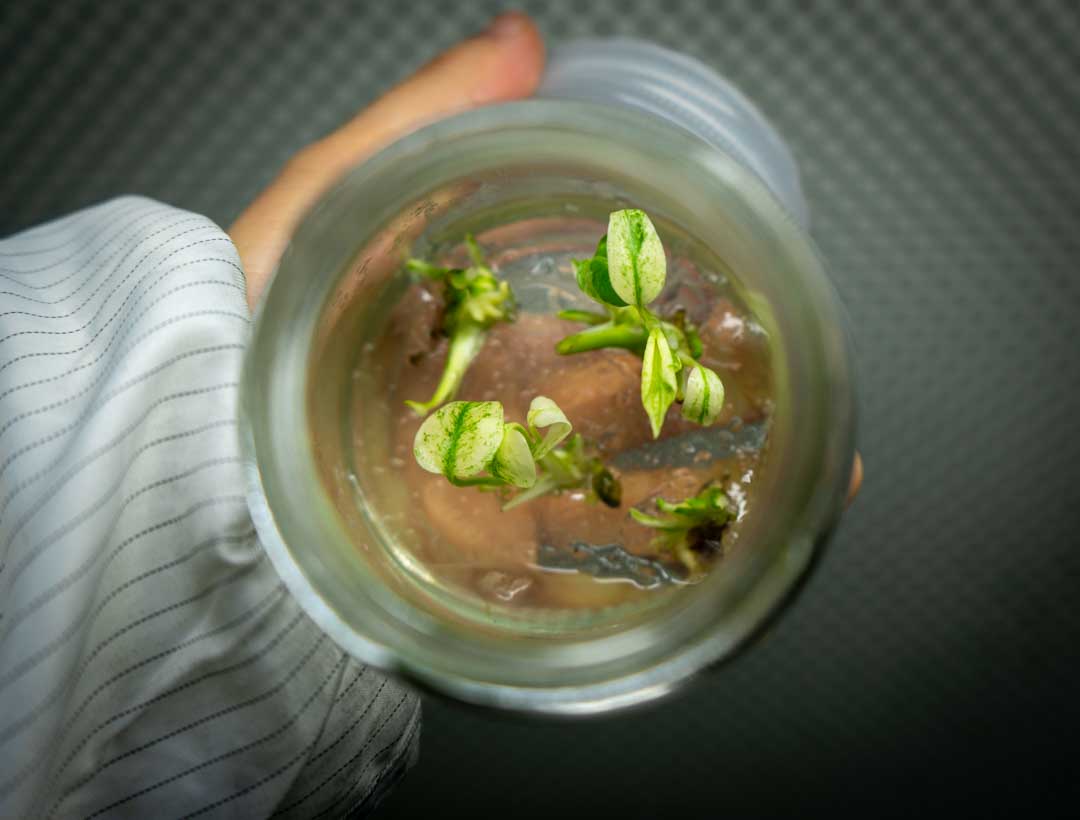
Dense mint-colored spots are evenly spread throughout the seedlings, giving an overall light effect when mature.
Rare Plants
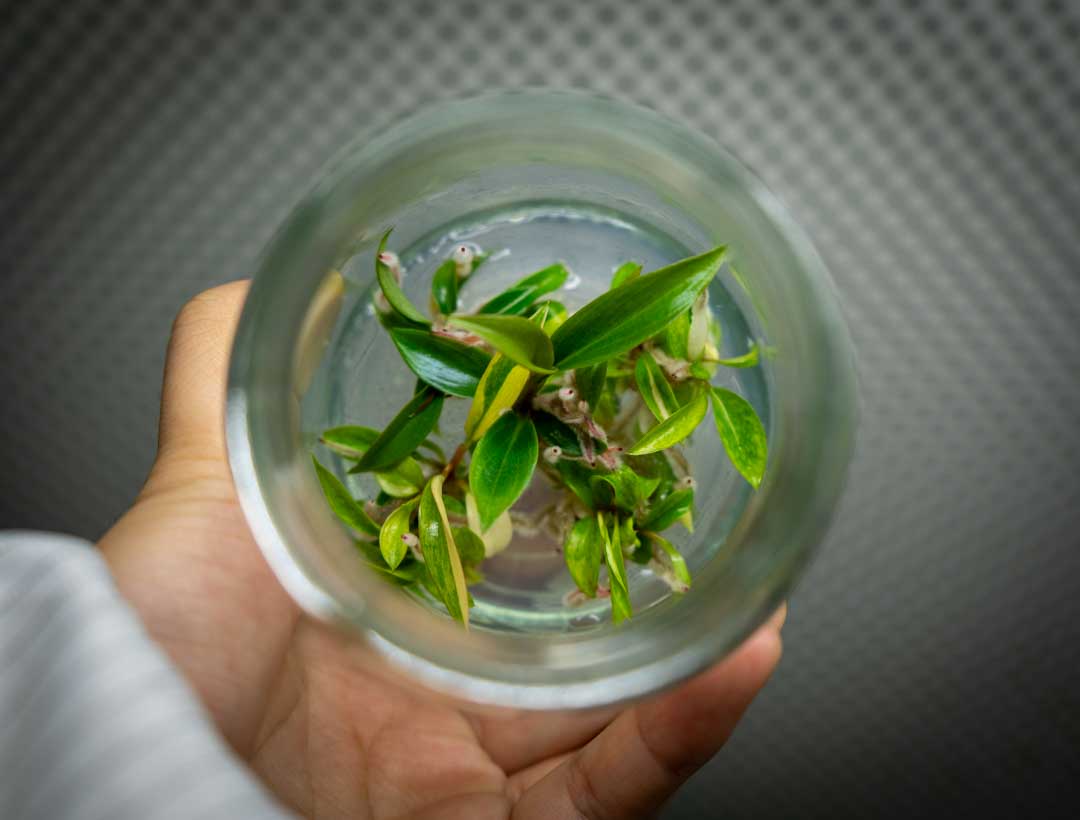
When mature, it has serrated leaves with various color effects such as caramel, orange, green and milky white.
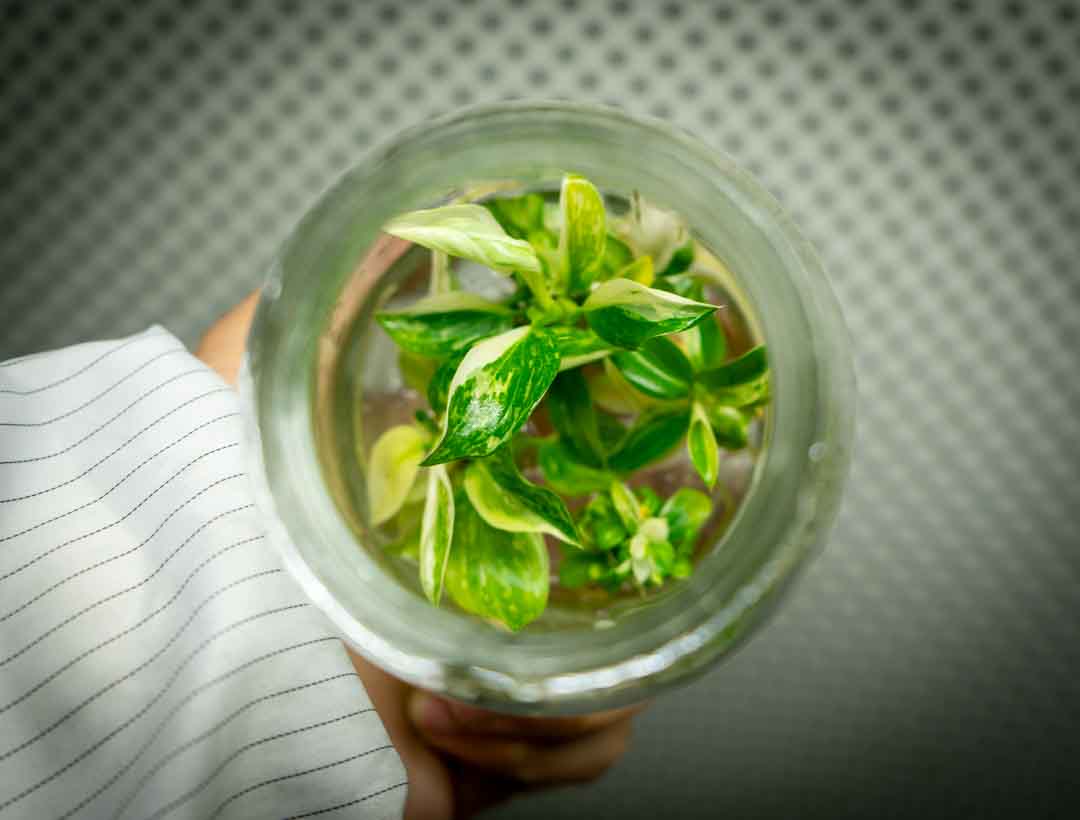
Tissue Culture
When mature, the leaves are green and long, with light white variegated spots irregularly distributed throughout.
Buyer Concerns
Concerns that unstable shipping times may cause plants to wilt or die.
We cooperate with multiple logistics providers. If the plants are found to be damaged upon arrival, compensation will be provided according to the circumstances.
Complex plant import and export documentation raises concerns about customs clearance.
We have a professional export team to assist you with customs clearance.
Want to purchase plants without an import permit.
We have other channels to help you import smoothly, but this is limited to small batches.
Inconsistent quality of tissue-cultured plants between batches.
Tissue culture plantlets are categorized by batch and specification, and their condition details will be provided to you in advance.
First-time cooperation involves higher risks, which can cause concern.
We support initial orders of 50-200 plantlets as trial orders for testing purposes.
Unsure how to handle the plants after the shipment arrives.
Upon arrival, we will provide guidance, technical support for unpacking and acclimatization, and other related matters
Facility Video
Custom propagation can be arranged according to your required varieties, quantities, and specifications. Propagation for your sales season can also be scheduled according to your plan
You are also welcome to visit our nursery in China to inspect it and check plant availability
Buyer Perspective
Pretty sweet 💖 no losses all growing!
What order should we implement on 27th? I want them both 😂💖
How’s that holiday treating you so far?
Yes, everything arrived healthy! I just wanted to ask about the Colocasia Milky Way and the Epi Pearls and Jade, which seemed to replace the Forest of White and Jose Buono.
¡Hola! Te quería contar que ya me llegaron las plantas. ¡12 días duró el viaje y pudieron sobrevivir!
I received a total of 233 plants as a total but they are all in healthy condition with only minimal damage thank you for all the help and I hope to place next order soon thank you
Simple Wholesale Process
Complete order information for tissue culture plants will help us respond to your requirements more efficiently.
Please provide the plant varieties, quantities, destination country, and any other requirements. We can also provide you with our product catalog.
We will confirm the availability of the plant varieties and the specifications of the tissue-cultured plantlets. We will also confirm the delivery time with you.
We will provide a quotation based on the plant varieties, quantities, and shipping method. Once you confirm, we will proceed to the next step.
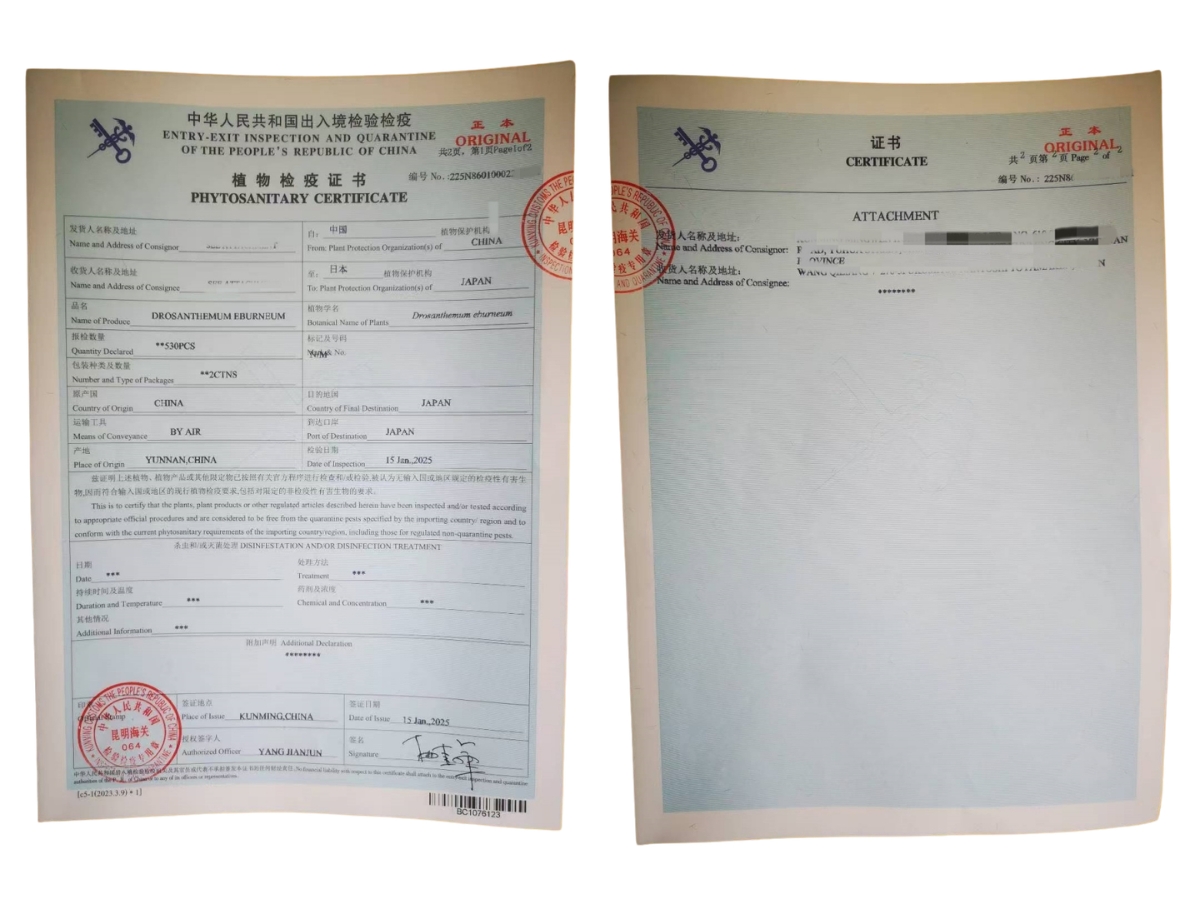
Based on your requirements, we can provide phytosanitary certificates, CITES-related documents, pest-free declarations, and other relevant documents to assist with import and customs clearance.
Before shipping, we will send you photos of the plants and packaging details for confirmation. Once everything is confirmed, the shipment will be sent out immediately.
Product Range
We provide relevant documents based on the plant import regulations of your country. The phytosanitary certificates below show examples from our exports of live tissue culture plants.
Latest Articles

Questions & Inquiry
If you can't find the answer you're looking for in the FAQ, please fill out the form on the right to contact us!
We do not recommend this. Shipping live plants requires us to obtain the relevant phytosanitary certificates, which incur a fee. Compared to the cost of samples, this fee is relatively high, so it would not be cost-effective for you. If you are willing to cover this fee, we can provide you with samples, but you will also be responsible for the shipping costs.
The minimum order quantity is 200 plants. For high-value, rare varieties, we can accommodate orders as low as 50 plants.
Tissue culture plantlets will be shipped in custom-made, eco-friendly cardboard boxes. The smallest box can hold up to 10 bags, which is approximately 100 plants. Since they are relatively lightweight, shipping companies charge based on volume; therefore, filling each box to capacity is the most cost-effective option, as it maximizes space utilization and reduces the cost per plant.
Yes, but it’s not too much trouble—you just need to place the plantlets in a well-aerated growing medium. Tissue culture plants are quite sensitive to long-distance shipping. The plantlets need a gradual transition to their new environment, and the acclimation period may vary slightly depending on the variety and environmental conditions.
That depends on whether your country has relevant requirements. If you’re unsure whether your country requires an import license, please contact us, and we’ll help you confirm the relevant requirements.
Of course. We understand your need to mix and match varieties, as this helps reduce inventory pressure associated with a single variety. Each bag typically contains 10 plantlets, though some larger plantlets may be packaged in bags of 5–8. For mixed orders, the minimum order is one bag per variety.
Rest assured—as a new customer placing your first order, you can start with a trial order of 50–200 plants. If any plants are damaged upon arrival, please take photos and contact us; we will provide a specific after-sales solution.
Depending on the requirements of the destination country, these typically include a phytosanitary certificate, a declaration of freedom from pests and diseases, and, when necessary, relevant documents such as CITES permits.
They are shipped via air freight. Since live tissue culture plants require shorter transit times, air freight is the best option. Transit time is typically 6–12 days, though the exact duration depends on the destination country.
Of course. Please let us know the specific variety, quantity, specifications, and desired delivery timeline. We will provide regular updates on the production status.
Once you place your order, it will normally be ready within 3 business days. First, we package the plants according to the specific varieties and quantities, then submit them to Chinese customs for declaration, and obtain the phytosanitary certificate within 12–48 hours. The exact time depends on the quantity of your order. For propagation orders, the production cycle must be confirmed separately.
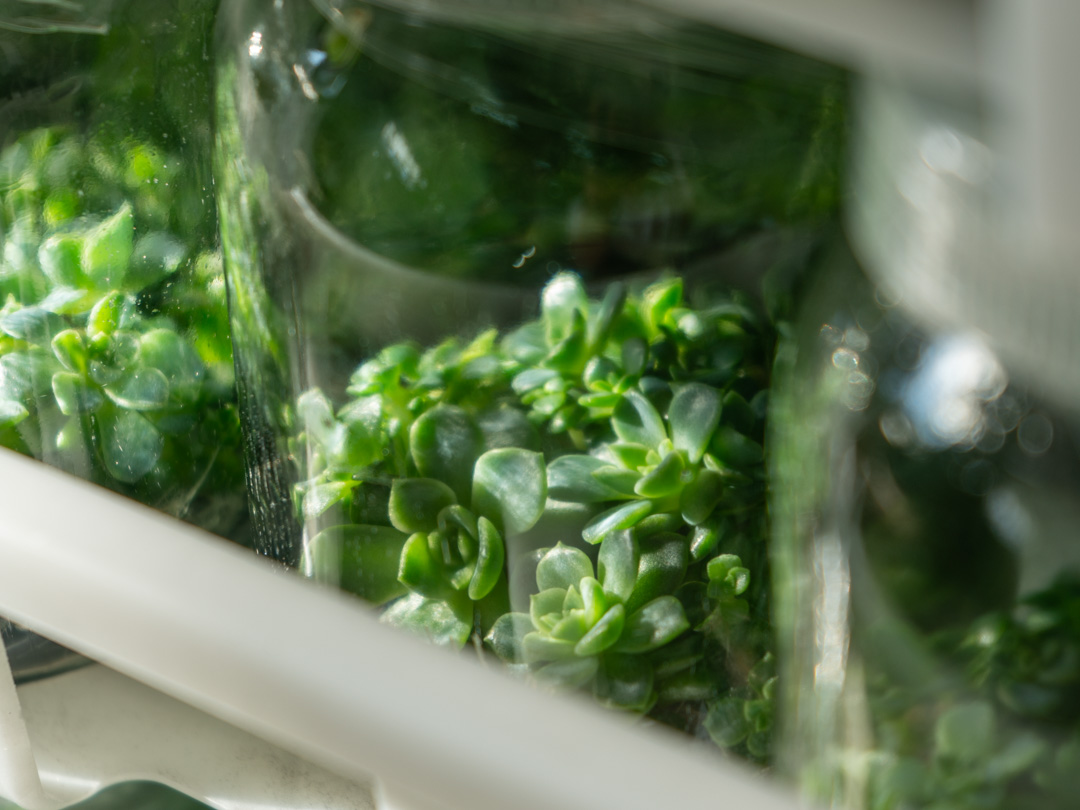
We confirm plant condition, quantity, packaging and required export documents with you before dispatch.